
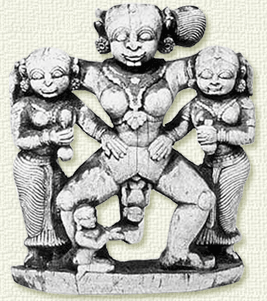
 In Feri, Sex is considered the life force that connects all living things, and it is the origin of the universe (not just genital sex, but it includes that, too). Sex is not always about procreation, rather it is about creation of all kinds, be it of another human being, a work of art, a good orgasm, or an ecstatic experience. In Feri, there is no shame in sex- and there is no guilt, either. Sex is a good healthy thing, when consensual.
But I know that other religions have their issues with sex for whatever reason and often have prohibitions on what kind of sex one is allowed to have (if any), when you can have it, and with whom. That is why I am glad to be in a class with people from diverse religious and cultural perspectives. I am glad to see that future clergy of many denominations and traditions will be sex positive.
As a future priest and present parent, the messages that I transmit about sex to those around me matter. Sex is a normal bodily function and a part of creation. I want my son growing up embracing his human birthright to have sex and hold it as sacred, as a gift. I want him to get pleasure from his body as is his right. I want him to know the names of all his body parts, and the names of other body parts he does not possess. As a young girl, I was not told the names of all my body parts, and had to learn about sex mostly on my own. I already have a great children's book for Rowan when he gets a little older called a Kid's First Book About Sex. He will learn anything he wants to know, and he will get information without having to ask. Teaching him about sex will be like teaching him about art, math, or insects. It is a commonplace thing, and happens to almost everyone in their life.
About the class (from the syllabus):
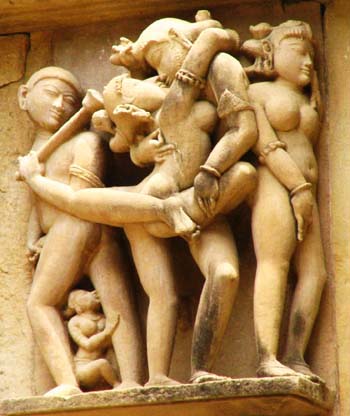
If we want to bring our whole selves into connection with Spirit, we can’t forget our sexual selves. In this class, we will explore the effects of erotophobia on sexuality and, by extension, spirituality in order to discover how we can integrate these foundational aspects of our humanity. Some topics we will discuss include: sexual well-being, the effects of shame on relationships, sexual diversity, how our sexual selves can inform our spiritual practices, and the dance between boundaries and connection with others. The class will include lecture, interactive exercises, group discussion, and personal reflection in order to offer a range of perspectives and experiences.
Course objectives: By the end of the course, you will be able to:
- Discuss how sexual well-being, shame and interpersonal boundaries influence and are influenced by their relationships with the Divine.
- Identify and commit to at least one step they can take to deepen their understanding of sexual diversity and overcome erotophobia.
- Explore ways in which their personal sexualities can both inform and hinder their roles as ministers.
Sound good? So far, it is! My professor for the class is an old friend, actually- Charlie Glickman. We worked together at Good Vibrations, among other things, back in the day.
I'll be journaling for the class and posting some of those entries here. For homework for our first class, he asked us to write about this:
What messages have you received about sex and spirituality? How have those messages shaped your studies? Your spiritual journey? Your daily life?
Interesting questions for me to ponder. How about you?

Technically, it is a liturgy writing class for wannabe Unitarian Universalist ministers. But what is liturgy if not creative writing for religious thinkers? And not just "the big 5" have liturgy. My religious tradition has gorgeous liturgy written by poets more talented in that arena than I. But I aspire, and in order to succeed, work is to be done! We will be writing as a daily practice, checking in with a writing partner weekly on top of class time, and checking in monthly with the professor about our journaling. I am looking forward to honing my skills!

From the syllabus:
I. Description:
This course will provide religious leaders with tools to create meaningful, multi-vocal worship in the UU congregational setting. In class and in the community we will be creating and leading traditional and transformational worship for people at all ages and stages. Students will gain and understanding of the psychology and spirituality of ritual and liturgical forms within an historic context. In addition to the Sunday service, we’ll create a calendar and write ceremonial rites to prepare for the leadership of weddings, memorials and other special religious occasions.
II. Course Aims and Learning Objectives:
Aims
This course will include a lot of writing. In and between sessions students will be writing for the various elements that make up Sunday services, and traditional rites of the Unitarian Universalist community. Students will explore the necessary rhythms of writing for professional sustainability.
Students will share their writing with others and be expected to offer, and receive, affirmation and critique. We will create a community of hope expressed in written and spoken words.
Learning Objectives:
By the end of this course, students will: •Have a portfolio of writing samples for various religious
occasions; •Understand the history and intentions of various liturgical rites and
increase in their confidence and ability to lead congregations
through familiar and new rituals; •Be able to adapt written material from a variety of sources with
attention to the integrity of the original and the issues of
appropriation and fair use; •Find meaningful tools for incorporating writing into a public and
pastoral ministry.
I'm looking forward to creating some gorgeous litugy for Feri rituals in this class!
